The Ultimate Packing List for Your Next Outdoor Adventure
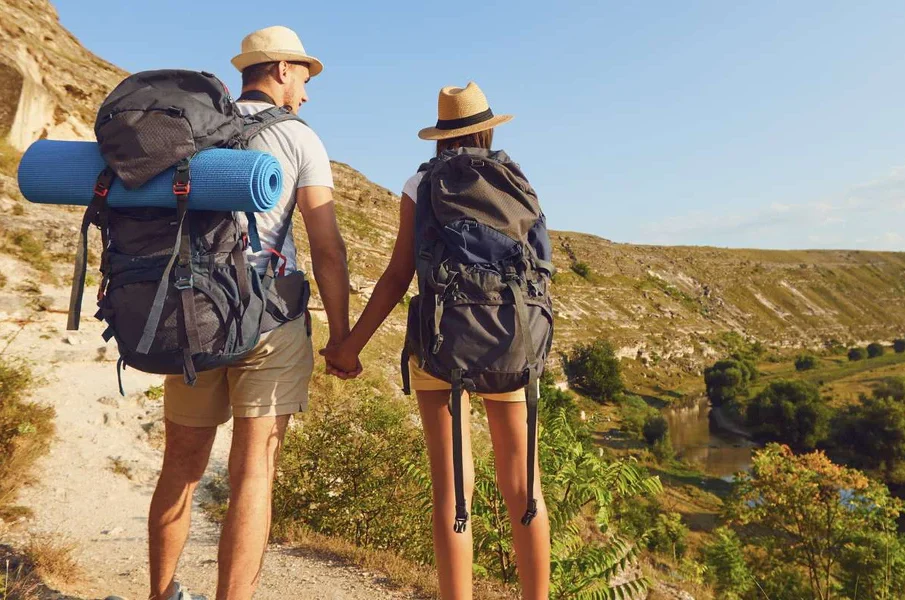
Venturing into the great outdoors provides an unparalleled opportunity to disconnect from the frantic pace of modern life and reconnect with the natural world. Whether you are planning a challenging multi-day backcountry trek through alpine peaks, a serene weekend camping trip by a secluded lake, or a rigorous day hike through a dense national forest, the success of your expedition hinges almost entirely on your preparation.
In the wilderness, your gear serves as your primary lifeline. Packing too much leads to physical fatigue, sore muscles, and a cumbersome experience on the trail, while packing too little leaves you vulnerable to unpredictable weather shifts, minor injuries, or uncomfortable nights under the stars. Striking the perfect balance requires a methodical approach centered on utility, durability, and safety. This comprehensive packing guide outlines the essential gear, clothing, and sustenance needed to ensure your next outdoor adventure is safe, comfortable, and memorable.
1. The Foundation: Backpack and Shelter Systems
Your backpack and shelter are the core components of your outdoor kit. They protect your body and your gear from the elements, making them items where you should never compromise on quality.
-
The Right Backpack: For simple day hikes, a lightweight pack with a capacity of twenty to thirty liters is generally sufficient. For overnight or multi-day excursions, look for a pack ranging from fifty to seventy liters. Ensure it features a robust, padded hip belt to transfer the load weight from your shoulders to your hips, along with an integrated rain cover to keep your contents dry during sudden downpours.
-
The Shelter: Select a tent that corresponds to the season and weather conditions you expect to encounter. A three-season tent offers an ideal balance of ventilation and protection for spring, summer, and fall. Pay attention to the total weight, ensuring it is light enough to carry comfortably over long distances.
-
Sleep System: A high-quality sleeping bag rated for temperatures slightly colder than the lowest forecast expected is crucial for recovery. Pair this with an insulated sleeping pad, which not only provides cushioning from the hard ground but also prevents vital body heat from leaching into the cold earth below.
2. Technical Clothing and Layering Systems
Weather in wild spaces can change with absolute unpredictability. The golden rule of outdoor clothing is the layering system, which allows you to regulate your body temperature easily as your exertion levels and environmental conditions change throughout the day. Avoid cotton entirely, as it absorbs moisture, dries slowly, and can cause rapid cooling.
-
Base Layer: This layer sits directly against your skin. Opt for moisture-wicking synthetic materials like polyester or natural merino wool to pull sweat away from your body, keeping you dry and preventing chafing.
-
Insulating Middle Layer: This layer traps your body heat to keep you warm. Fleece jackets, lightweight synthetic down, or natural down sweaters are perfect choices. They provide excellent warmth-to-weight ratios and pack down tightly into your bag.
-
Outer Shell Layer: Your outer jacket must be completely waterproof and windproof to shield you from rain, snow, and biting winds. Look for breathable fabrics that allow internal moisture from sweat to escape while preventing external water from penetrating.
-
Hiking Pants: Choose durable, quick-drying pants made from nylon or spandex blends. Convertible pants that zip off into shorts offer exceptional versatility for changing temperatures.
3. Footwear and Trail Comfort
Your feet carry the entire weight of your body and your gear across uneven, rocky, and often slippery terrain. Taking care of them is paramount to preventing blisters, strains, and early termination of your trip.
-
Boots or Trail Runners: Traditional hiking boots provide superior ankle support and protection for heavy loads on rugged trails. Conversely, lightweight trail runners are increasingly popular for their breathability and lack of a break-in period. Whichever you choose, ensure they possess deep tread lugs for optimal traction.
-
Moisture-Wicking Socks: Never wear standard cotton socks on the trail. Invest in high-quality wool or synthetic hiking socks that cushion the foot, minimize friction, and manage moisture effectively. Carrying at least one extra dry pair is non-negotiable.
-
Camp Shoes: Pack a pair of lightweight sandals or breathable slip-on shoes to change into once you arrive at your campsite. This allows your primary hiking footwear to dry out and gives your feet a well-deserved break.
4. Navigation and Illumination Essentials
Getting lost or caught in the dark can elevate a minor inconvenience into a genuine emergency. Even if you plan to use modern digital tools, reliable backups are essential when exploring unfamiliar territory.
-
Navigation Tools: Carry a traditional topographic map of the area along with a reliable magnetic compass, and know how to use them. If you prefer utilizing satellite-based smartphone mapping applications, download all maps for offline use before leaving cellular service, and carry a high-capacity portable power bank to keep your phone charged.
-
Illumination: A reliable headlamp is far superior to a standard flashlight because it keeps your hands completely free to hold trekking poles, pitch a tent, or prepare food. Always pack extra batteries or the appropriate charging cables.
5. Hydration and Backcountry Nutrition
Staying properly hydrated and fueled keeps your energy levels consistent and your cognitive functions sharp while navigating demanding terrain.
-
Water Filtration and Storage: Carry at least two to three liters of water capacity via durable wide-mouth bottles or a hydration bladder. Because natural water sources can harbor harmful pathogens, always pack a reliable water filter, purification tablets, or a lightweight ultraviolet purifier.
-
Calorie-Dense Nutrition: Outdoor activities burn significantly more calories than everyday routines. Pack lightweight, nutrient-dense foods that do not require refrigeration. Dehydrated meals, nuts, seeds, energy bars, dried fruit, and jerky are excellent options. Always pack one full extra day of food in case your trip is unexpectedly delayed.
6. First Aid, Safety, and Tools
A well-stocked safety kit allows you to manage minor injuries independently and signal for assistance if a major incident occurs.
-
First Aid Kit: Your kit should include various sizes of adhesive bandages, sterile gauze pads, medical tape, antiseptic wipes, blister treatment patches, tweezers, and a small supply of personal medications, ibuprofen, and antihistamines.
-
Multi-Tool or Knife: A sturdy pocket knife or multi-tool is invaluable for gear repairs, food preparation, and cutting cordage.
-
Fire Starters: Carry waterproof matches, a reliable lighter, or a ferrocerium rod, along with emergency tinder or fire-starting paste stored in a waterproof container.
-
Emergency Shelter: A compact, lightweight space blanket takes up virtually no room but can prevent hypothermia if you are forced to spend an unexpected night exposed to the elements.
Frequently Asked Questions
How should I distribute the weight inside my backpack for maximum comfort?
Place lightweight items, such as your sleeping bag and extra clothing layers, at the very bottom of the backpack to create a stable base. Place your heaviest gear, including your food bear canister, water supply, and stove kit, close to your spine in the middle section of the pack to keep your center of gravity balanced. Medium-weight items and gear you need immediate access to throughout the day, such as rain gear and first aid items, should go near the top or in the exterior pockets.
What is the best way to keep my gear dry inside my pack if it rains heavily?
While many modern backpacks come with an exterior rain cover, these can sometimes blow off in high winds or leak during prolonged downpours. For absolute protection, line the inside of your entire main pack compartment with a heavy-duty trash contractor bag before loading your gear. Alternatively, store your sleeping bag and clothing layers in individual lightweight waterproof dry sacks.
How do I determine how much water I need to carry for a day hike?
As a general baseline, plan to consume roughly one half-liter of water for every hour of moderate hiking in temperate weather conditions. If you are traversing steep, strenuous terrain, or if the temperature and humidity are exceptionally high, you may need to increase your intake to a full liter per hour. Always research the availability of natural water sources along your route so you know when you can refill using your filter.
Why is cotton clothing considered dangerous for outdoor activities?
Cotton fibers are highly hydrophilic, meaning they absorb large amounts of moisture from sweat or rain and hold onto it tenaciously. When cotton stays wet, it loses its insulating properties completely and pulls heat away from your body up to twenty-five times faster than dry air. In cool or windy conditions, wearing wet cotton clothing can rapidly lower your core temperature and induce hypothermia.
What does the Leave No Trace philosophy mean for packing and gear choices?
The Leave No Trace principles dictate that you should leave the natural environment exactly as you found it. From a packing perspective, this means removing unnecessary commercial packaging from your food before your trip to minimize potential litter. It also requires you to pack out every single piece of trash you create, including food scraps, apple cores, and used toilet paper, rather than burying or leaving them in the wild.
How can I protect my food from wildlife while camping overnight?
Depending on the specific rules of the region you are visiting, you should either store all food, trash, and scented toiletries inside an approved, hard-sided bear-resistant canister, or use a certified scent-proof bag hung high from a sturdy tree branch at least ten feet above the ground and four feet away from the trunk. Never keep food or scented items inside your tent, as this can attract curious animals directly to your sleeping area.