The Ultimate Checklist for a Stress-Free Family Camping Trip
Family camping trips represent a unique opportunity to strengthen bonds, teach children about the natural world, and trade the relentless pace of daily life for the quiet rhythm of the outdoors. However, the difference between a treasured memory and a logistical nightmare often comes down to the quality of your preparation. Without a structured plan, the transition from a home environment to a primitive campsite can quickly lead to forgotten essentials, hungry children, and unnecessary frustration.
Achieving a stress-free camping experience requires a methodical approach that addresses the specific needs of every family member. By organizing your gear, simplifying your meal plan, and preparing for the inevitable unpredictability of weather and mood, you can transform the challenge of logistics into a seamless adventure. This comprehensive checklist will guide you through the essential preparations for a successful family outing.
1. Mastering the Shelter and Sleep Systems
A comfortable sleep environment is the cornerstone of a happy camping trip. When families do not sleep well, tempers flare and the joy of the outdoors evaporates. Investing time in your shelter setup before you leave home saves hours of frustration at the site.
-
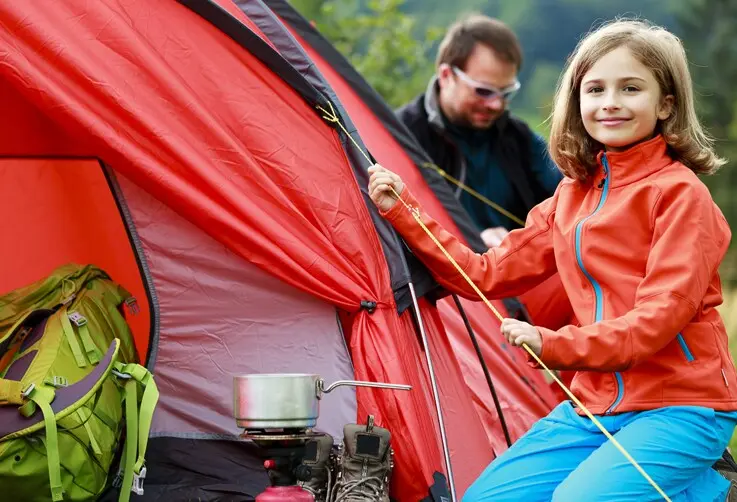
Tent Verification: Before your departure, assemble your tent in your backyard or living room to ensure every stake, pole, and rainfly clip is present and functional. If your tent is new, practice the pitching process multiple times so it becomes second nature by the time you arrive at the campground.
-
Sleeping Pad Insulation: The ground leaches body heat rapidly, even in summer. Ensure every family member has an insulated sleeping pad. Inflatable pads provide comfort, while closed-cell foam pads offer durable insulation and act as a reliable backup if a puncture occurs.
-
Bedding Customization: Do not feel obligated to use traditional sleeping bags if they are uncomfortable for younger children. Bringing familiar pillows and blankets from home can provide a sense of security and comfort that helps children transition to a new sleeping environment more easily.
-
Lighting Infrastructure: Pack more light sources than you believe you need. Provide each child with their own durable headlamp, which helps them feel independent during trips to the bathroom at night and reduces the need for constant parental assistance.
2. Streamlining the Kitchen and Meal Preparation
Mealtime logistics often consume the most time during a camping trip. By shifting your mindset toward simplicity and pre-preparation, you can reduce your time spent scrubbing pots and pans, allowing for more time spent exploring.
-
The Pre-Trip Prep Strategy: Do as much culinary work at home as possible. Chop vegetables, marinate meats, and pre-mix dry ingredients for pancakes or muffins. Storing these items in clearly labeled, stackable containers keeps your cooler organized and makes cooking over a fire or camp stove nearly effortless.
-
Versatile Cooking Equipment: A single, high-quality two-burner propane stove offers consistent heat control, which is vital when cooking for a group. Complement this with a cast iron skillet, which is incredibly durable, retains heat evenly, and functions perfectly over both a gas burner and an open campfire.
-
The No-Cleanup Philosophy: Bring minimal, reusable dishware, but do not hesitate to use compostable paper plates for a few meals to drastically reduce the volume of dishwashing required in the wilderness.
-
Nutrient-Dense Snacking: Children require constant fuel. Pack a dedicated bin of easily accessible, non-perishable snacks like dried fruit, nuts, beef jerky, and granola bars. Keeping this bin available at all times prevents the common pre-meal irritability often caused by low blood sugar.
3. Organizing Clothing for All Conditions
Weather patterns in the great outdoors rarely follow the forecast perfectly. The key to maintaining comfort is the layering system, which allows you to adapt to temperature swings without needing to constantly change entire outfits.
-
Base Layer Essentials: Prioritize moisture-wicking synthetic or merino wool materials for base layers. Avoid cotton, as it retains moisture from sweat and rain, which can lead to rapid cooling and discomfort.
-
Layering Versatility: Ensure every family member has a lightweight fleece mid-layer for warmth and a high-quality, waterproof shell jacket for protection against rain and wind.
-
The Extra Pair Rule: Children will invariably get their shoes and socks wet. Always pack at least two more pairs of socks than the number of days you plan to be away. Similarly, keep a dedicated set of clean, dry clothes stored in a sealed plastic bag inside the tent that is strictly off-limits for daytime play.
-
Footwear Needs: Sturdy, closed-toe shoes are essential for trail hiking. Additionally, bring a pair of inexpensive, rubberized slip-on shoes that can be worn in communal shower facilities or around the campsite.
4. Prioritizing Health and Safety Logistics
Safety preparation is not about expecting the worst, but about being equipped to handle common, minor issues that can derail an otherwise excellent trip.
-
Customized First Aid Kit: Beyond standard bandages, customize your kit to include blister treatment pads, children’s pain relievers, allergy medication, antiseptic ointment, and high-quality tweezers for removing ticks or splinters.
-
Sun and Insect Protection: Protect the entire family with broad-spectrum sunscreen and effective insect repellent. Apply these items early in the morning and reapply consistently throughout the day.
-
Navigation and Communication: While most campgrounds have defined trails, always carry a physical map of the area. If you use a smartphone for navigation, download your maps for offline access and ensure you have a portable, high-capacity power bank to keep your devices charged.
-
The Whistle Rule: Teach your children that if they ever feel disoriented or lose sight of the campsite, they should stay in one place and use a whistle. Give each child their own whistle to wear around their neck, which is far more effective than shouting if they become scared or lost.
5. Engaging and Entertaining the Family
The beauty of camping is the freedom from screens, but this requires you to be prepared with low-tech entertainment options to keep children engaged during downtime.
-
Nature-Based Activities: Bring items that encourage exploration, such as kid-sized magnifying glasses, small specimen jars for examining leaves or rocks, and binoculars for bird watching.
-
Classic Games: Pack a deck of cards, a travel-sized board game, or a simple ball for impromptu games at the campsite. These activities provide a structured way for the family to interact during the quiet hours of the afternoon or evening.
-
Creative Storytelling: Keep a few simple, lightweight sketchbooks and colored pencils on hand for documenting the trip. Encourage children to draw what they see, which helps them observe their surroundings more deeply.
Frequently Asked Questions
How can I keep the cooler organized and cold for longer periods?
The most effective strategy is to freeze large jugs of water to serve as blocks of ice, which last significantly longer than small, loose ice cubes. Keep the cooler in the shade at all times, cover it with a reflective blanket or towel, and minimize the number of times you open the lid throughout the day to prevent cold air from escaping.
What is the best way to handle bathroom situations with young children who are not fully independent?
If your campsite does not have flush toilets, bring a portable, folding toilet seat that fits over a five-gallon bucket lined with a heavy-duty bag. This provides a familiar and stable setup for young children. Always bring a dedicated roll of toilet paper in a sealed, waterproof bag to ensure it remains dry, regardless of the weather.
How do I manage the transition if it rains for the entire duration of the trip?
Embrace the situation rather than fighting it. Pack high-quality rain gear for every family member, including waterproof boots. Bring along extra indoor-friendly activities like coloring books, board games, and extra reading material. As long as you are physically dry, most children find the experience of a rainy camping trip to be an exciting, novel adventure rather than a disappointment.
What should I do to protect the campsite from local wildlife?
Wildlife, ranging from raccoons to bears, is attracted to the scent of food. Never store food, trash, or scented toiletries like toothpaste inside your tent. All items with a scent should be stored in a hard-sided vehicle, a locked bear box provided by the campground, or suspended high in a tree according to local regulations.
How can I ensure my children remain safe around the campfire?
Establish a clear, non-negotiable boundary—often called the circle of safety—around the fire pit that children cannot cross. Keep all fire-starting supplies in a locked container, and never leave an active fire unattended for even a second. Always keep a bucket of water and a shovel nearby to extinguish the fire completely before going to bed or leaving the site.
Is it necessary to have a formal itinerary for a camping trip?
A rigid, hour-by-hour schedule often creates unnecessary pressure. Instead, aim for a flexible list of goals for the day, such as one morning hike and one afternoon period of unstructured play. This approach provides enough structure to feel productive while leaving ample room for the spontaneous discoveries that make camping so rewarding.