
Island Hopping: How to Choose Your Next Tropical Destination
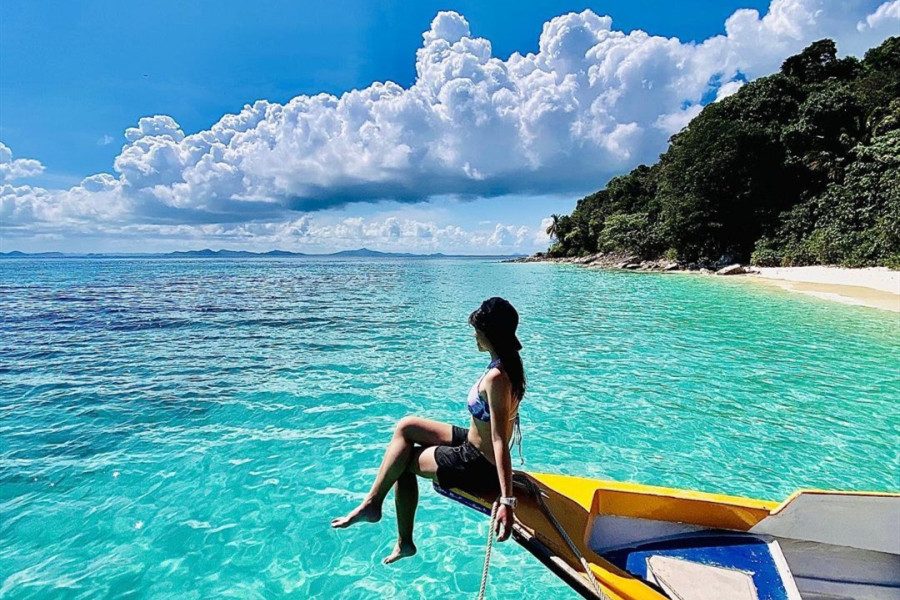
The allure of island hopping lies in the promise of endless variety. One day you are trekking through lush, mist-covered rainforests, and the next you are lounging on powdery white sand beaches with turquoise water lapping at your feet. However, the world is filled with thousands of islands, each offering a drastically different atmosphere, cultural experience, and level of accessibility. Choosing the right destination is the difference between a relaxing retreat and a logistical struggle.
To make the most of your journey, you must look beyond the glossy brochure photos and consider the practical realities of island geography, infrastructure, and your own travel preferences. Whether you are seeking high-octane adventure, quiet seclusion, or cultural immersion, selecting the perfect tropical destination requires a strategic approach. Here is how to evaluate your options and curate an island-hopping experience that aligns with your travel style.
1. Define Your Primary Travel Objective
Before diving into flight schedules or ferry routes, be honest about what you want to achieve. Not all islands are created equal, and attempting to force a party-centric island into a relaxation-heavy itinerary will lead to disappointment.
-
Relaxation and Wellness: If your goal is to disconnect, look for islands with limited car traffic, boutique eco-resorts, and a culture that prioritizes slow living. These destinations often focus on spa retreats, yoga, and natural quietude.
-
Adventure and Exploration: If you crave adrenaline, target islands with dramatic volcanic topography, dense jungles, and extensive coral reef systems. These locations offer hiking, rock climbing, and world-class scuba diving.
-
Cultural Immersion: Seek out larger islands that have maintained strong historical identities. These destinations often have distinct local cuisines, colonial or indigenous architecture, and vibrant town markets that are not focused solely on tourism.
2. Evaluate Infrastructure and Accessibility
The ease of moving between islands can dictate the rhythm of your entire trip. Some regions are connected by frequent, high-speed ferries, while others require expensive regional flights or unreliable local water taxis.
-
The Ferry Factor: In regions like the Mediterranean or parts of Southeast Asia, ferry networks are robust and well-documented. This allows for spontaneous island hopping, where you can decide your next stop a day or two in advance.
-
Regional Flights: In larger archipelagos like the South Pacific or the Caribbean, traveling between islands often necessitates flying. This adds a layer of complexity and cost, as you must align your itinerary with less frequent flight schedules and handle airport transfers more often.
-
The Cost of Transport: Always factor in the hidden costs of transit. Remote islands may offer absolute paradise, but the price of private boat charters or small bush planes can quickly exceed your entire accommodation budget. Research the standard transit methods for your chosen region months in advance to avoid unpleasant financial surprises.
3. Assess the Best Time to Visit Based on Climate
Tropical does not always mean sunny and dry year-round. Most island chains have distinct wet and dry seasons, and visiting during the wrong period can significantly hamper your ability to explore.
-
Understanding Monsoon Cycles: Research the local weather patterns for the specific islands you plan to visit. A destination might be in a dry spell while a neighbor a few hundred miles away is experiencing peak monsoon rain.
-
Shoulder Season Benefits: Aiming for the shoulder season—the period just before or after the peak tourist rush—often provides the best balance. You will typically encounter lower prices, fewer crowds, and weather that is still pleasant enough for outdoor exploration.
-
Hurricanes and Typhoons: Be acutely aware of the regional tropical storm seasons. While these storms are unpredictable, knowing the historical peak dates allows you to purchase appropriate travel insurance or steer clear of high-risk zones during the most volatile months.
4. Consider the Demographic and Atmosphere
Every island develops a specific reputation that influences the type of people who vacation there. Aligning your destination with the vibe you want is essential for ensuring your social environment matches your expectations.
-
The Party Scene: Some islands are globally famous for beach clubs, vibrant nightlife, and a youthful, energetic demographic. If you are seeking peace and quiet, these areas can feel overwhelming and loud, especially during weekends.
-
The Family-Friendly Zone: Look for islands with calm, shallow bays, a wide variety of kid-friendly activities, and comprehensive resort facilities. These destinations prioritize convenience and safety, making them ideal for families but perhaps less appealing to solo travelers looking for rugged solitude.
-
The Secluded Sanctuary: Some islands explicitly market themselves on the absence of typical tourism infrastructure. These are perfect for those who want to read on a quiet beach, but they may lack the social opportunities that some solo travelers prefer.
5. Prioritize Biodiversity and Natural Attractions
One of the greatest benefits of island hopping is the ability to witness unique ecosystems. If you are a nature enthusiast, you should choose your itinerary based on the biological uniqueness of the islands.
-
Marine Diversity: If snorkeling and diving are your primary interests, research the health of the coral reefs and the presence of marine sanctuaries. Some islands are protected areas where wildlife flourishes, while others may have degraded reefs due to heavy commercial tourism.
-
Terrestrial Landscapes: Consider the topography. Do you prefer flat, palm-fringed coral atolls or towering, jungle-covered volcanic peaks? The difference in the landscape directly impacts the types of outdoor activities available, such as hiking versus lounging.
-
Wildlife Encounters: Research whether the islands are home to endemic species. Many remote islands offer the chance to see animals that exist nowhere else on earth. Seeing these unique species in their natural habitat can be a highlight of any trip.
6. Budgeting for an Island-Hopping Expedition
Island hopping is generally more expensive than staying in a single, fixed location because you are paying for multiple transit segments and often dealing with locations that rely on imported goods.
-
Daily Cost Variation: Understand that costs can spike significantly as you move from major transit hubs to more remote islands. Food, fuel, and supplies often become more expensive the further you travel from the mainland.
-
Accommodation Strategy: Mix your accommodation types to manage your budget. You might spend more on a resort-style stay on a major island while opting for locally-owned guesthouses on smaller, quieter islands where the experience is more about the environment than the luxury amenities.
-
Digital Connectivity: For those who need to stay connected, check the status of local internet connectivity. Some remote islands have limited or expensive satellite-based internet, which can impact your ability to work or navigate digitally if you are relying heavily on online tools.
Frequently Asked Questions
How do I decide between traveling to a popular, well-traveled island chain versus a remote one?
Popular chains offer convenience, standardized transportation, and a higher density of amenities, which is ideal for first-time island hoppers. Remote islands offer true discovery, fewer crowds, and a deeper sense of isolation, but they require much more advanced logistical planning, a higher budget, and a willingness to handle potential transit delays or service interruptions.
Is it better to book all my inter-island transportation before leaving home?
In well-developed regions with frequent ferry service, it is often better to remain flexible and book tickets on the ground, as this allows you to stay longer on an island you fall in love with or leave quickly if a destination does not meet your expectations. However, in regions where transportation is limited to regional flights or specialized boat services, booking ahead is essential to guarantee your spot.
How can I effectively pack for different types of island activities in a single trip?
Adopt a modular packing strategy. Prioritize high-quality, lightweight, and quick-drying fabrics that work for both hiking and beach lounging. Use compression packing cubes to keep your gear organized, and focus on items that can be layered, as tropical temperatures can drop significantly during evening hikes or boat trips.
Are there major cultural differences between islands within the same country?
Yes, frequently. Even within a single country, islands can have vastly different cultural influences, histories, and local traditions. Taking the time to understand these nuances will greatly enrich your trip, as you will appreciate the distinct identity of each community rather than viewing the islands as identical tourist stops.
What is the best way to deal with potential language barriers on smaller, less-visited islands?
On less-traveled islands, you may encounter fewer English speakers. Learning basic greetings, numbers, and key phrases in the local language is a sign of respect that often leads to a warmer reception. Additionally, carry a physical map and a notebook where you can draw pictures or write names to bridge communication gaps when digital translation tools are unavailable.
How do I minimize my environmental footprint while island hopping?
Island ecosystems are incredibly fragile. Minimize your impact by refusing single-use plastics, using reef-safe sunscreen that does not damage coral, and choosing tour operators that emphasize sustainable practices. Respect local wildlife by observing from a distance and adhering to all park regulations regarding waste and protected areas.