10 Unique Accommodation Options Around the World That Aren’t Hotels
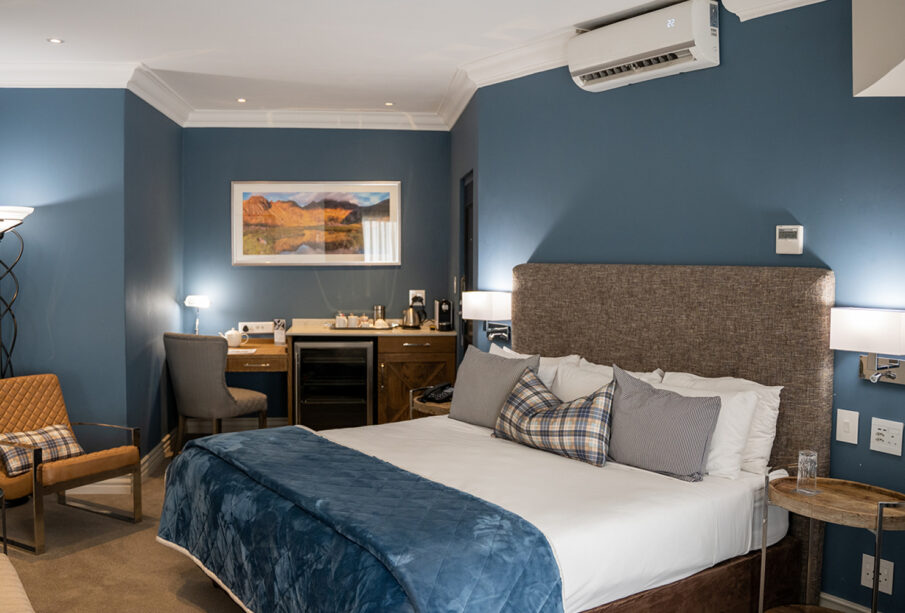
The traditional hotel experience, while comfortable and predictable, often lacks the soul and sense of discovery that many modern travelers crave. For those looking to elevate their journeys from simple sightseeing to immersive life experiences, the place you sleep can be just as significant as the destination itself. Staying in unconventional lodging encourages a deeper connection with the environment, introduces you to local lifestyles, and provides stories that far outlast the memories of standard room service and generic lobbies. From subterranean dwellings to architectural marvels nestled in nature, here are ten unique accommodation options that redefine what it means to travel.
1. Subterranean Cave Dwellings in Cappadocia, Turkey
Carved directly into the soft volcanic tuff rock, cave dwellings in Cappadocia offer a historical living experience that feels like stepping back into a different epoch. Many of these caves have been converted into luxury boutique lodgings that maintain their ancient structural integrity while adding modern amenities like rainfall showers and heated floors. The thick rock walls provide natural thermal insulation, keeping the rooms cool during the blistering summer days and warm during the chilly desert nights, offering a cozy and quiet sanctuary beneath the earth.
2. Arctic Glass Igloos
Located in the frozen landscapes of northern regions like Finland, glass igloos allow you to witness the spectacular aurora borealis from the comfort of a climate-controlled bedroom. These structures are designed specifically for stargazing, with thermal glass roofs that prevent frosting even when the external temperature drops well below zero. Falling asleep under the shifting curtains of the northern lights provides a surreal perspective on the natural world that is impossible to replicate in a conventional building.
3. Traditional Japanese Ryokans
Staying in a ryokan is a gateway to understanding the refined hospitality and deep-rooted traditions of Japan. These inns feature tatami-mat floors, sliding paper doors, and futon bedding that is laid out in the evening. A stay at a ryokan often includes multi-course kaiseki meals served in your room and access to communal hot spring baths known as onsen. It is a slow, meditative experience that emphasizes tranquility, seasonal appreciation, and the art of relaxation.
4. African Treehouse Safaris
Elevated high above the savannah, luxury treehouses in places like South Africa or Botswana offer a front-row seat to the wonders of the wild. Sleeping in an open-air canopy suite allows you to hear the distant calls of lions, the rustle of elephants passing below, and the ambient sounds of the bushveld at night. These structures are built with sustainable wood and local materials, providing an intimate, unobtrusive way to observe nature while maintaining complete security and comfort.
5. Floating Houseboats in Amsterdam
Amsterdam is famous for its intricate network of canals, and staying on a floating houseboat offers a perspective of the city that land-based tourists rarely see. Many of these converted historic barges are moored in quiet, residential canals away from the main tourist crowds. Living on the water provides a constant, gentle rhythmic motion and a direct connection to the city’s maritime history, all while being just steps away from major cultural landmarks.
6. Desert Yurts in Mongolia
For an authentic nomadic experience, nothing compares to spending a night in a ger, or yurt, on the vast Mongolian steppe. These circular, felt-covered structures have been the traditional homes of nomadic families for centuries. Staying in a yurt allows you to participate in the local culture, learn about the reliance on nature, and witness the incredible, unobstructed night skies of Central Asia. The simplicity of the structure forces a digital detox and a reconnection with the natural rhythm of the land.
7. Revamped Lighthouses
Perched on jagged cliffs or remote headlands, lighthouses are among the most evocative places to spend a night. Many decommissioned lighthouses have been transformed into unique vacation rentals that offer panoramic views of the ocean. The experience is often defined by the sound of crashing waves, the feeling of complete seclusion, and the architectural history of the structure. It is an ideal escape for those looking for solitude, dramatic photography opportunities, and a sense of maritime adventure.
8. Moroccan Riads
Hidden behind nondescript walls in the busy medinas of cities like Marrakech, riads are traditional Moroccan townhouses built around a central courtyard. The inward-facing design is intended to provide privacy and peace from the chaotic streets outside. These homes often feature stunning tile work, intricate plaster carvings, and a central fountain or pool. Staying in a riad feels like stepping into a lush, private garden where the architecture focuses entirely on inward serenity and beauty.
9. Converted Railway Carriages
Across Europe and North America, decommissioned railway carriages have been lovingly restored into unique, stationary accommodations. These lodges often retain their original wood paneling, brass fittings, and vintage charm while offering the comfort of a modern bed and bathroom. Being inside a train car evokes the golden age of rail travel and provides a quirky, nostalgic stay that is popular in rural, scenic regions where old tracks still linger.
10. Hobbit-Style Earth Houses
Inspired by literature and fantasy, earth houses built into hillsides with rounded doors and cozy, wood-heavy interiors have become a popular destination for those seeking a whimsical escape. These homes often use sustainable building techniques, such as straw bales and earthen plaster, to create a natural, organic environment. Staying in an earth house feels like retreating into a protective, fairy-tale dwelling that emphasizes comfort, nature, and creative architectural design.
Frequently Asked Questions
Are these unique accommodations more expensive than standard hotels?
Pricing varies significantly. While many boutique cave dwellings or glass igloos are priced at a luxury premium due to their uniqueness and high demand, options like yurts, converted railway cars, or guesthouses can often be more affordable than high-end hotels. Much of the cost depends on the location and the level of service provided.
How do I ensure these types of lodgings are safe and hygienic?
Research is essential. Always look for recent reviews on multiple platforms that specifically mention cleanliness, maintenance, and the quality of the bedding. Reputable platforms that list unique rentals often verify properties, but if you are booking directly, do not hesitate to ask the host specific questions about sanitation and safety features.
Do these accommodations provide standard amenities like Wi-Fi and hot water?
It depends on the property. Some, like luxury treehouses or renovated riads, offer high-end modern amenities, while others, like traditional yurts or remote lighthouses, may offer a more rustic, off-grid experience. Always check the amenity list carefully before booking to ensure the property meets your specific comfort requirements.
Are these properties accessible for travelers with mobility issues?
Unique structures, such as converted caves, treehouses, or historical lighthouses with narrow staircases, are frequently not accessible for individuals with limited mobility. If accessibility is a requirement, contact the property owner directly before booking to ask detailed questions about the layout, stairs, and overall accessibility of the site.
What should I pack differently for these types of stays?
Pack according to the environment rather than the accommodation type. For instance, if you are staying in a desert yurt, bring layers for temperature swings; if you are staying in an Arctic igloo, focus on thermal gear. For remote or rustic stays, it is always a good idea to pack a portable power bank, a good flashlight, and perhaps extra toiletries, just in case the property is located away from stores.
How far in advance should I book these unique properties?
Because many of these unique accommodations are one-of-a-kind, they often have very limited availability. It is recommended to book as far in advance as possible, especially if you have specific travel dates. Many of these properties operate with only a handful of units, meaning they can sell out months ahead of standard hotels.
Are these accommodations suitable for families with children?
Many unique properties are family-friendly, but some—particularly those that are open-air, high off the ground, or located in dangerous terrain—may have strict age requirements for children. Always read the property’s house rules before booking to confirm that the location is safe and appropriate for your family’s needs.