8 Travel Safety Tips Every Solo Female Traveler Needs to Know
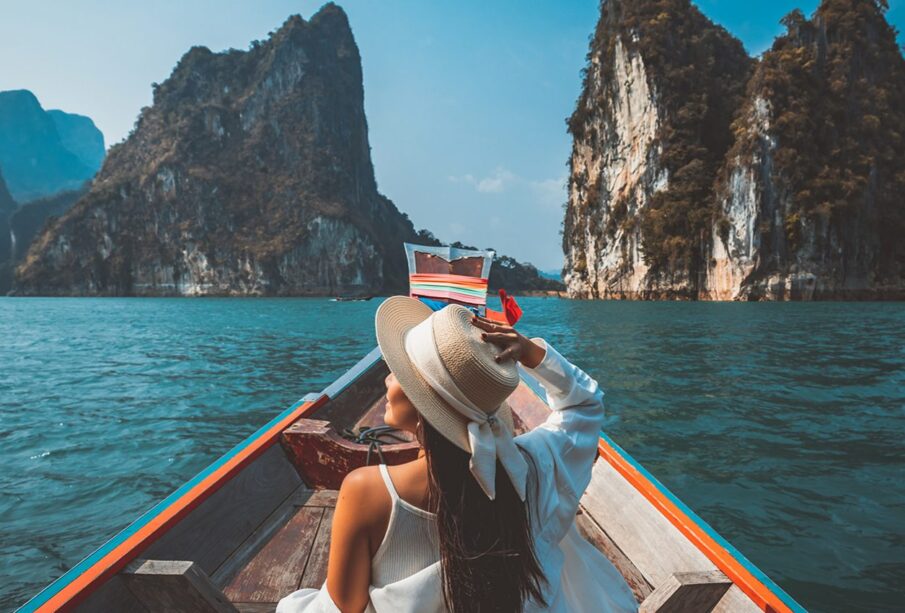
Solo travel is one of the most rewarding experiences a woman can have. It offers complete freedom over your itinerary, builds profound self-reliance, and opens the door to meeting diverse people from all walks of life. However, navigating the world alone also requires a heightened sense of awareness and deliberate preparation. Safety concerns should never deter you from exploring new horizons, but ignoring basic precautions can quickly turn a dream vacation into a stressful ordeal.
By implementing smart habits and understanding how to assess risks, you can minimize potential dangers and focus on the joy of discovery. Here are eight essential safety tips designed to help solo female travelers navigate the globe with confidence, security, and peace of mind.
1. Conduct In-Depth, Localized Research
Thorough research involves digging much deeper than general country overviews. Safety conditions can vary drastically from one city to another, and even between neighborhoods within the same municipality. Before booking your accommodations, investigate the specific districts you plan to visit to ensure they are safe for walking, especially after dark.
-
Look for recent travel blogs, forums, and community boards where other solo female travelers share their firsthand experiences regarding specific destinations.
-
Pay close attention to local cultural norms regarding dress codes and social behavior to help you blend in more easily.
-
Identify common scams unique to the area, such as staged distractions, unauthorized transportation operators, or inflated menu prices targeted at tourists.
-
Pinpoint the locations of the nearest hospitals, police stations, and your nation’s embassy or consulate.
Understanding the political climate, local laws, and emergency infrastructure of your destination provides a solid foundation for making informed choices throughout your trip.
2. Secure Accommodations with Built-In Safety Features
Where you choose to sleep plays a massive role in your overall safety and comfort. Whether you prefer luxury hotels, boutique guesthouses, or social hostels, prioritize properties that actively invest in guest security.
-
Opt for lodging that features a 24-hour front desk or a secure electronic entry system to ensure that unauthorized individuals cannot wander into the building.
-
Request a room located on the higher floors, ideally between the second and fifth levels, as ground-floor rooms are statistically more vulnerable to break-ins, while excessively high floors can be difficult to evacuate during a fire.
-
Check online reviews specifically to see what previous female guests have written about the security of the property and the professionalism of the staff.
-
Utilize the room’s primary deadbolt and consider packing a portable door wedge or a travel lock to add an extra layer of security while you sleep.
When checking in, never say your room number out loud at the front desk. If the receptionist speaks it clearly within earshot of other people, quietly ask them to write it down or request a different room to preserve your privacy.
3. Keep a Low Profile and Blend In
Shedding the obvious look of a tourist makes you a much less attractive target for pickpockets and scam artists. Criminals often look for individuals who appear confused, overwhelmed, or entirely disconnected from their immediate surroundings.
-
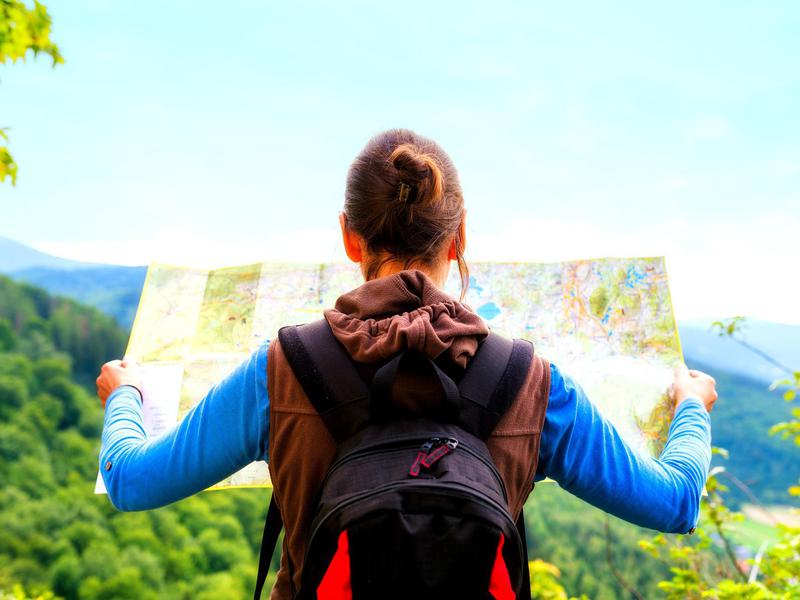
Study your walking routes, maps, and transit schedules while you are still inside your room or a local cafe rather than staring at your phone screen on a busy street corner.
-
Dress in a manner that aligns with local customs, especially when visiting conservative regions or religious sites, to prevent drawing unnecessary attention to yourself.
-
Keep expensive jewelry, high-end watches, and flashy designer gear at home, and carry your camera gear discreetly in a plain backpack instead of a branded camera bag.
-
Walk with absolute purpose and maintain an air of confidence, even if you happen to be completely lost.
If you need to reorient yourself, step into a storefront, bank lobby, or restaurant to check your map rather than stopping abruptly in the middle of a crowded sidewalk.
4. Maintain a Reliable Communication Strategy
Staying connected with the outside world ensures that you are never truly alone, even when exploring remote destinations. Modern technology makes it incredibly simple to keep family and trusted friends informed of your whereabouts in real-time.
-
Purchase a local SIM card or an eSIM data plan immediately upon arrival so that you can access navigation apps, ride-sharing platforms, and translation tools at any moment.
-
Share your complete travel itinerary, including flight numbers, hotel addresses, and tour bookings, with at least two dependable contacts back home.
-
Use location-sharing applications to allow trusted family members to view your real-time position throughout the day.
-
Establish a routine check-in schedule, such as a quick text message every morning or evening, so your contacts know exactly when to expect communication from you.
Always carry a fully charged portable power bank and the necessary charging cables in your daypack to prevent your phone battery from dying while you are out exploring.
5. Separate and Diversify Your Finances
Losing access to your money while traveling solo can turn into a major emergency very quickly. To mitigate this risk, never store all of your cash, debit cards, and credit cards in a single wallet or bag.
-
Keep your primary credit card and a small amount of local currency in your daily wallet, while leaving emergency backup cards and larger cash reserves locked inside your hotel room safe.
-
Use banking institutions with indoor, well-lit automated teller machines rather than standalone machines located on dark streets, which are more susceptible to card skimming devices.
-
Set up real-time transaction notifications on your mobile banking apps so you can instantly spot any unauthorized account activity.
-
Carry a small, separate wallet with a nominal amount of cash that you can hand over easily in the unlikely event of a robbery, keeping your actual funds hidden away.
Inform your credit card companies and banks about your travel dates and destinations prior to your departure to prevent your accounts from being frozen due to unusual international activity.
6. Use Trusted Transportation Options
Navigating transit systems in an unfamiliar environment can be intimidating, making it essential to choose your methods of transportation with care.
-
Stick to official, metered taxis or regulated ride-sharing applications where the driver’s identity, vehicle details, and route are fully tracked digitally.
-
Avoid accepting rides from unverified drivers who approach you aggressively inside airport terminals or outside train stations.
-
When using public buses or trains late at night, sit in the car closest to the driver or conductor, and stay close to groups of families or other women.
-
If you are arriving at a new destination past midnight, arrange a verified airport transfer directly through your hotel rather than trying to figure out public transit in the dark.
When riding in a vehicle alone, sit in the backseat behind the driver rather than in the passenger seat. This positioning gives you more physical space and makes it harder for a driver to reach you or catch you off guard.
7. Be Conscious of Alcohol Consumption
Enjoying the local nightlife, sampling regional wines, and visiting unique bars can be highlight experiences of your trip. However, consuming alcohol naturally lowers your inhibitions and slows down your reaction times, which can compromise your personal safety when you do not have a companion to look out for you.
-
Know your personal limits and stop drinking well before you feel impaired, ensuring you remain fully capable of navigating back to your hotel independently.
-
Never leave your drink unattended on a table or bar top, even for a brief moment to use the restroom, and always watch your beverages being poured or opened directly in front of you.
-
Decline free drinks offered by strangers unless you explicitly see the bartender prepare and hand the beverage directly to you.
-
Ensure you have a clear, pre-arranged plan for getting back to your room safely before you consume your first alcoholic beverage of the evening.
Maintaining a sharp, clear mind is your absolute best defense against predatory behavior and opportunistic street crimes.
8. Trust Your Natural Intuition
Your internal instincts are a powerful, highly evolved survival mechanism that you should never ignore for the sake of politeness or social convention. If a situation, location, or individual feels wrong, remove yourself from the environment immediately.
-
Do not worry about appearing rude, awkward, or unhelpful if you need to terminate a conversation abruptly or decline an invitation from someone who makes you uncomfortable.
-
If you suspect that someone is following you, walk directly into a busy public space, such as a crowded restaurant, a hotel lobby, or a grocery store, and notify the staff.
-
Create a polite but firm excuse, such as stating that you are on your way to meet your spouse or a large group of friends, if a stranger asks too many personal questions about your solo status.
-
Pay close attention to sudden shifts in the atmosphere of a street or neighborhood and turn back if your surroundings begin to feel unsafe.
It is always better to err on the side of caution and be overly cautious than to compromise your safety just to avoid a brief moment of social awkwardness.
Frequently Asked Questions
What should I do if a stranger asks if I am traveling completely alone?
You should never admit to traveling by yourself if a stranger asks. Instead, casually mention that you are on your way to meet your husband, family members, or a group of friends who are waiting for you nearby. You can also pretend to receive a phone call or text from a travel companion to reinforce the narrative that someone is actively expecting you.
Is it safe to tell people where I am staying during my trip?
Keep the specific name and location of your accommodations strictly confidential. If a casual acquaintance or local vendor asks where you are staying, give a very general answer by naming a broad neighborhood or a major landmark nearby rather than revealing the exact building.
How can I safely store my passport while I am out exploring during the day?
It is generally safer to leave your actual passport locked securely inside your hotel room safe or a designated locker at your hostel. Carry a clear physical photocopy or a high-resolution digital photograph of your passport on your smartphone for identification purposes while you are walking around the city.
What are the most effective items to pack for personal self-defense?
A loud personal safety whistle or an electronic personal alarm that emits a high-decibel screech when pulled are highly effective tools that are legal in every country. Avoid traveling with pepper spray, tactical knives, or heavy tactical gear, as these items are strictly prohibited by airline security and are illegal to possess in many international jurisdictions.
How do I handle unwanted attention or persistent street harassment?
The most effective approach is to ignore the individual entirely, maintain a fast pace, and continue walking purposefully toward a crowded, well-lit area. Avoid making direct eye contact or engaging in an argument. If the harassment persists, firmly shout a clear command like back off or leave me alone to draw the attention of nearby bystanders.
Should I join group tours or stick completely to independent exploration?
Mixing independent exploration with structured day tours is an excellent strategy for solo travelers. Joining guided walking tours, cooking classes, or group excursions allows you to explore complex environments safely while providing natural opportunities to socialize with other travelers in a secure setting.